What you may hear
The arias in a Verona opera concert
The four pieces named for the Verona palace opera concert explained: La donna è mobile, Una furtiva lagrima, the Habanera and the Intermezzo.
Reserve a seat in the palace ↗Quick answer
Four pieces are named for the palace concert: La donna è mobile from Verdi's Rigoletto, Una furtiva lagrima from Donizetti's L'elisir d'amore, the Habanera from Bizet's Carmen and the Intermezzo from Mascagni's Cavalleria rusticana. Programmes change between dates, so treat them as a sample of the style, not a promise.
La donna è mobile
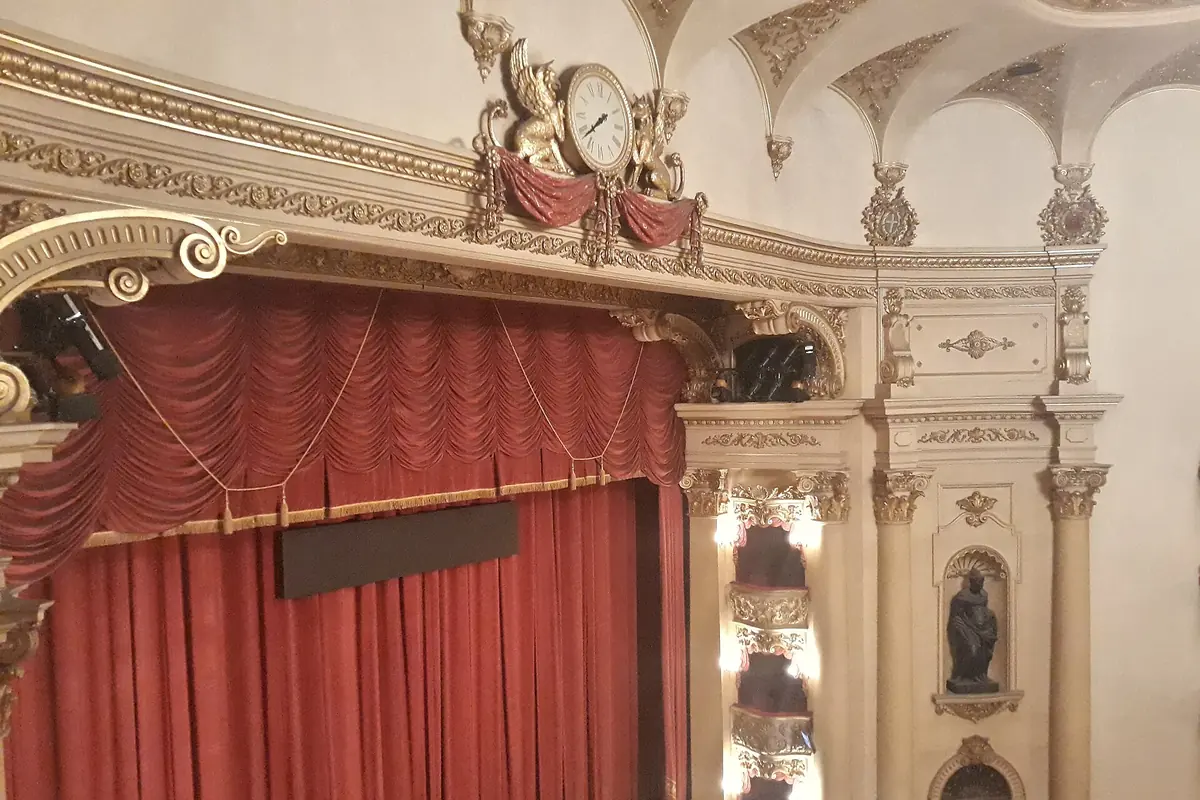
This is the Duke of Mantua's song at the start of act 3 of Verdi's Rigoletto, and it is written to show off a tenor. The opera had its triumphant first performance at La Fenice in Venice on 11 March 1851. The aria was rehearsed under tight secrecy before the premiere, because it was so catchy, and it soon became popular among Venetian gondoliers. The title means woman is fickle. The tune returns offstage later in the act, and that reprise drives the plot, so it is a character piece as much as a showpiece. Rigoletto was Verdi's sixteenth opera and is widely seen as the first of his great middle-to-late works.
Una furtiva lagrima
A furtive tear is the romanza that Nemorino sings in act 2 of Donizetti's comedy L'elisir d'amore. He has bought a love potion with all his money, and it is only cheap red wine. When he sees Adina weeping, he decides it is working. Donizetti gave the aria real tenderness inside a comic plot, and it closes on a long coloratura run over the word chiedo. The comedy was first staged at Milan's Teatro della Canobbiana on 12 May 1832, and it has stayed in the repertory since. The comedy's central theme is the triumph of sincerity over trickery.
The Habanera
The Habanera is the entrance aria of the title role in Bizet's Carmen, sung by a mezzo-soprano in scene 5 of act 1. Its proper name is L'amour est un oiseau rebelle, love is a rebellious bird. Bizet built it on a habanera by the Spanish composer Sebastián Iradier, which he believed was a folk song, and he added a note about its source to the score. Célestine Galli-Marié sang it at the Opéra-Comique in Paris on 3 March 1875. It is sung in French, unlike the three Italian pieces. Nietzsche, a great admirer of Carmen, called the aria ironically provocative.
The Intermezzo
The Intermezzo comes from Pietro Mascagni's one-act opera Cavalleria rusticana, a classic of the verismo school first heard at Rome's Teatro Costanzi on 17 May 1890. In the opera it is an orchestral interlude that plays while the village square is empty. No singer is needed, so at a concert with piano it gives the voices a rest and lets the pianist carry the line. Its melody has been used in films and was adapted into an Ave Maria soon after the opera appeared. The opera is often paired with Leoncavallo's Pagliacci in a double bill.
Why the line-up changes
These four pieces are named for the programme, but guests mention others, including piano pieces, so the programme moves between dates. The performers are a tenor, a mezzo-soprano and a pianist, and their selection suits that trio: tenor arias, a mezzo-soprano aria and duets. A tenor is the highest standard adult male voice, and a mezzo-soprano sits between soprano and contralto. If you want to know what will be sung on your date, the organiser decides, so the best plan is to enjoy whatever comes.
Read next: Your first opera concert in Verona
Who this isn't for
Nothing in this guide promises repertoire, and the concert is not a place to hear a whole opera. Each piece here is one number from a work that lasts two or three hours. If you want the whole of Rigoletto or Carmen, you need a staged production, and Verona's theatres and Arena offer those in their seasons. If you simply like to know what a piece is about before you hear it, these paragraphs give you the story in a few lines.
Frequently asked questions
Will they sing these four pieces on my date?
They are named for the programme, but guests also mention other pieces, so programmes change between dates. Treat the four as a sample of the style.
Which languages are the arias in?
Italian for La donna è mobile, Una furtiva lagrima and the Cavalleria rusticana Intermezzo, which has no words, and French for the Habanera from Carmen.
Do I need to know the operas first?
Not at all. Each piece is a famous number that stands alone. The short summaries in this guide are enough to follow the mood.
What is an intermezzo?
An instrumental piece played between scenes. Mascagni's is the best-known example from Cavalleria rusticana, and it has no singing.
Sources